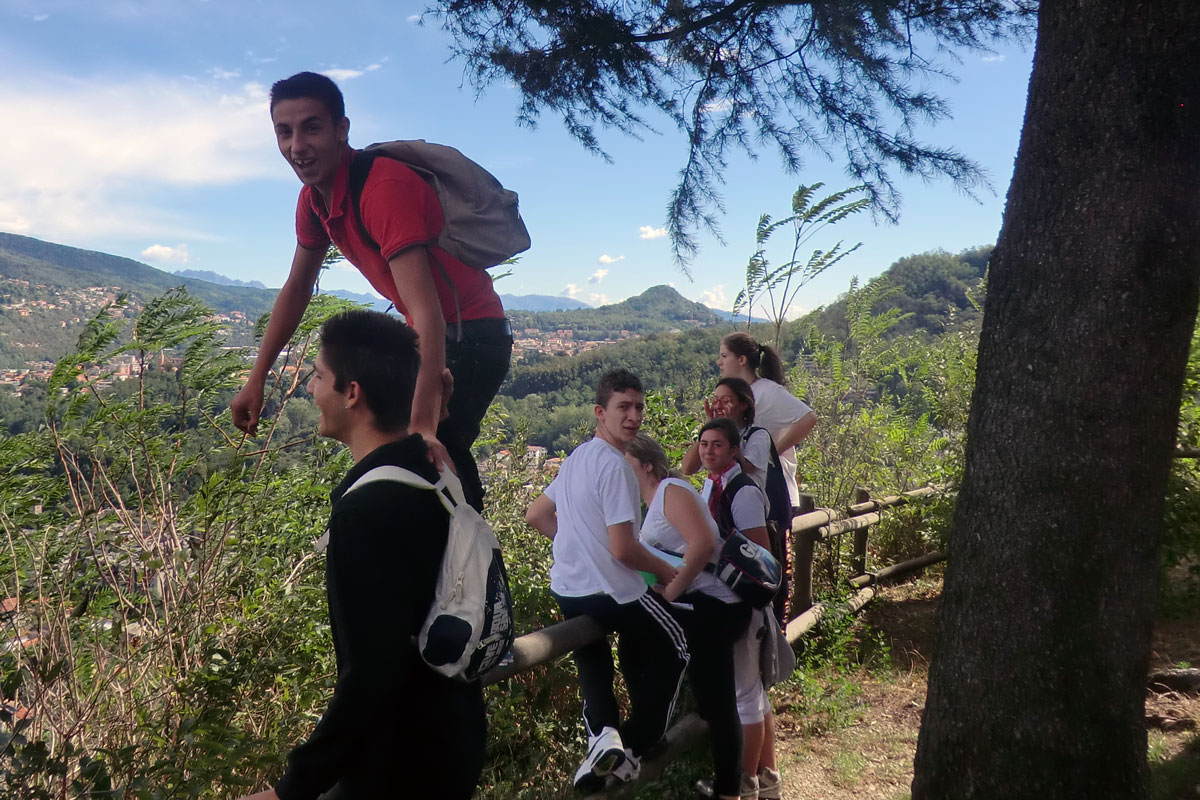
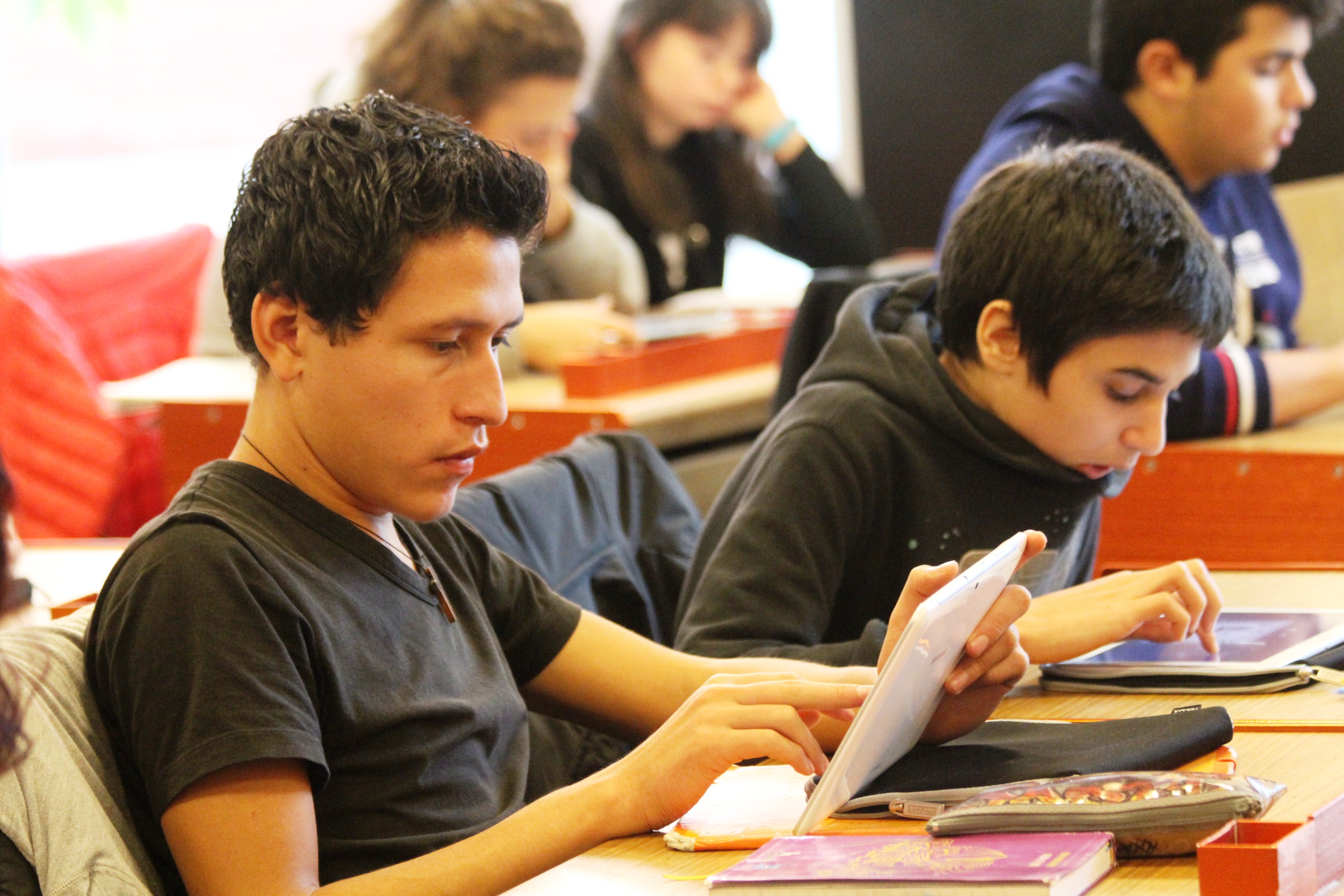
A didactic game is construed as some sort of game where set rules are observed. It is an educating tool serving the didactic purpose. An important aspect of the game is to achieve a strictly defined score. Competences acquired when playing didactic games, e.g. persistence, critical thinking or readiness to run risk, facilitate the development of entrepreneurial attitudes. Examples of didactic games strengthening those competences are location-based games and strategic games.
(Article by Natalia Kaszkowiak and Joanna Tobys, based on the Erasmus+ project Trio2Success outputs)
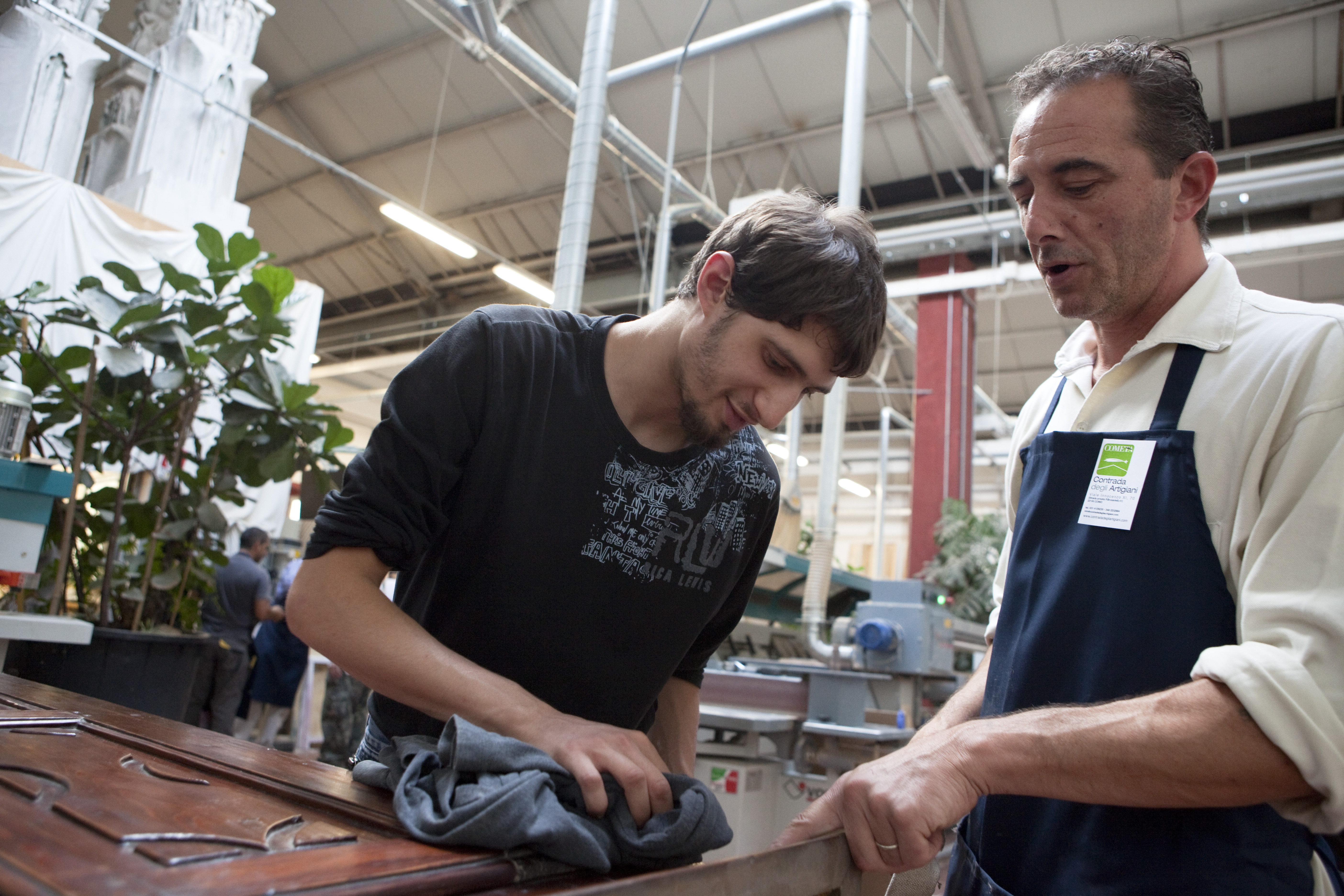
Patronage classes. Linking labor market with education.
The patronage class of Solaris Bus & Coach functions within the Basic Vocational School in Murowana Goślina (Poland, Greater Poland province). It serves as an example of a large private enterprise with a state vocational school. The initiative is a response to a shortage of qualified workers on the local labour market. The main goals of the project are to allow the company to recruit qualified physical workers and, on the other hand to create an opportunity for youth to pursue vocational instruction with a perspective of long-term employment and with access to modern didactic infrastructure.
(Article by Joanna Tobys, Natalia Kaszkowiak and Marcin Woźniak, based on the Erasmus+ project Trio2Success outputs)
Debating. The new approach to learning social skills
Debate clubs are the offspring of historical eighteen century London Debating Societies. Nowadays, debating is perceived as one of the most interesting and effective methods of teaching pupils and students entrepreneurial skills. Although there are many ways of debating, the most popular is the British Parliamentary Style (BPS). According to BPS, there are two counteracting parties which argue around the given topic and try to persuade the adjudicators and the audience. In this spirit, the Poznań Oxford Debates were launched in 2012. Since that time, Career Counselling Centre organise the debates, which are popular among the students.
(Article based on the Erasmus+ project Trio2Success outputs)
The steps toward excellence in VET: an overview on recent policies
“Making VET a first choice”: this is one of the main goals the recent EU New Skills Agenda (20161) has set for next years. Few months before, the so-called Riga Conclusions (20152) were approved during the EU Latvian Presidency by the Ministers of Education from the European Union Member States, candidate countries, Iceland, Norway and Liechtenstein, endorsing the new medium-term deliverables for vocational education and training. During this meeting, the ministers, supported by the associations of the European VET schools, aimed at stressing their efforts “in raising the overall quality and status of VET in the context of the Copenhagen process”. What declared in Riga and promoted one year later in the EU Skills Agenda, represents a new crucial step towards a set of new priorities and actions which will affect in particular the VET system at European level.
The School-Enterprise for the Reality-based learning approach
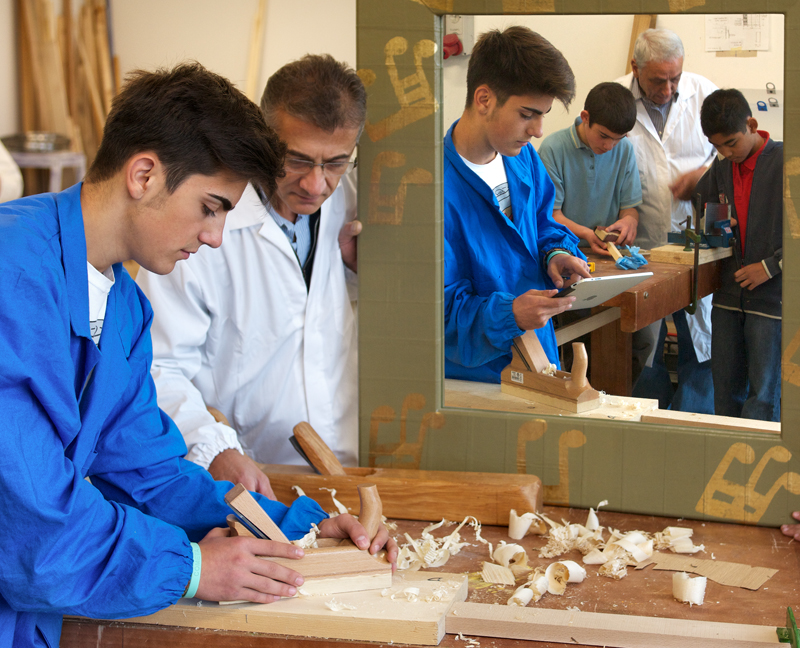
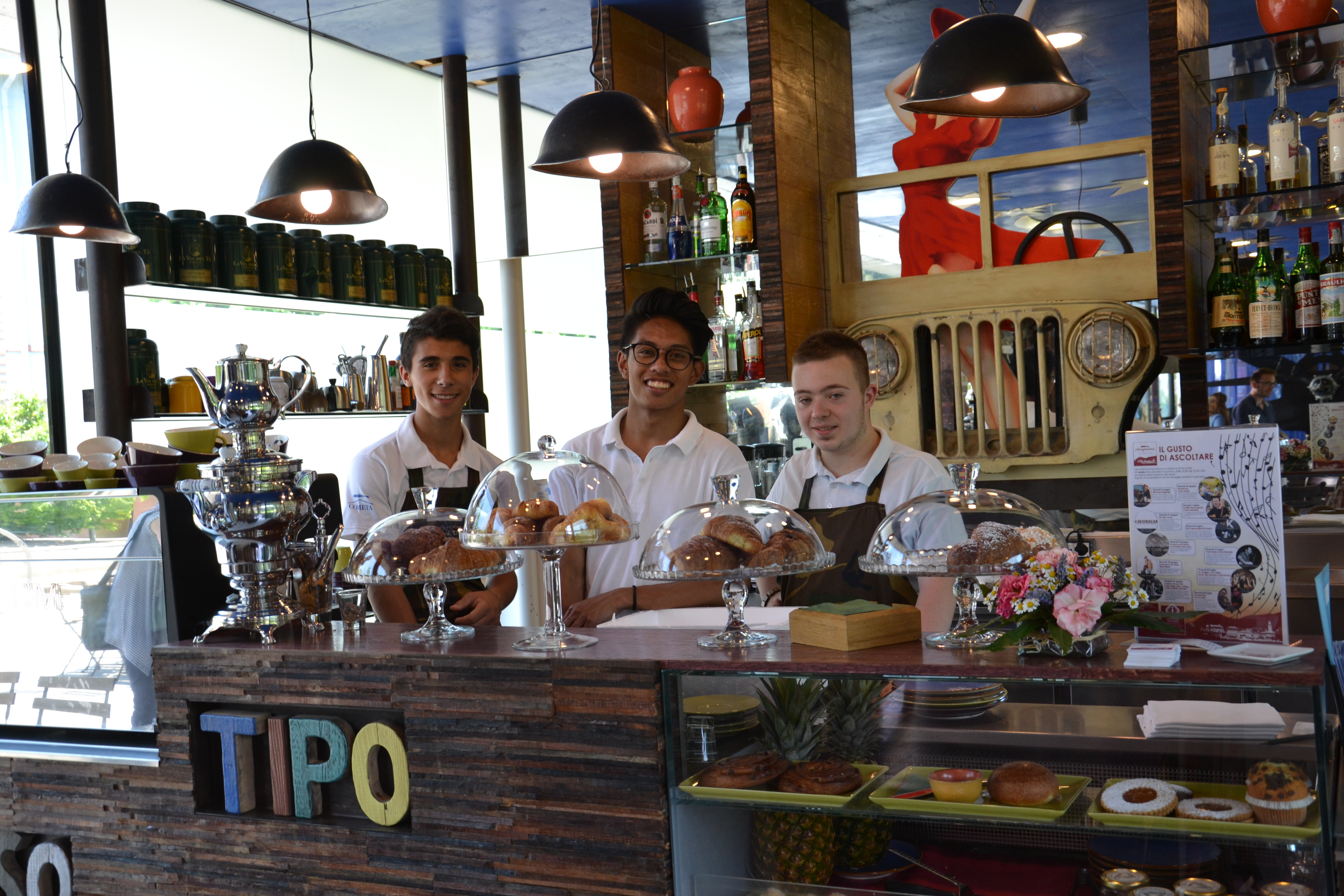
Conventional education is based on competences that are no longer useful for the expectations of today’s labor market. In fact, methodologies such as learning by doing and experiential learning are better “targeted” and more instrumental to the working environment not only due to the quality of professional skills they convey, but first and foremost of the soft skills. The School-Enterprise tool thus becomes a core building block for establishing a connection between subject-matters in school and the real world in an educational and training setting. This case study focuses on the Cometa Formazione new learning approach for 14-18 years old VET students.
(Article by Francesco Campiotti, Mariachiara Gomaraschi and Marianna Nicotra, based on the Erasmus+ project Trio2Success outputs)
Mentoring and design thinking for entrepreneurship learning
Entrepreneurship is a way of being and not a know-how. The most difficult aspect is the intangible, because students can be taught how to write a business plan, which leads them to acquire some management expertise. But surely this kind of education does not create entrepreneurs. Entrepreneurship is a characteristic, it is the aptitude for risk taking, the desire of construction, curiosity, passion; it is the continuous dissatisfaction for which you want to do everything better, the continuous research for better solutions. An entrepreneur knows how to express an idea, calculating important factors such as costs, materials and market. It is someone who anticipates new concepts desired by the market, which can be innovative or express new valor.
(Article by Laureen De Palma and Paolo Nardi, based on a product of Erasmus+ project Trio2Success)
Tutoring & Placement: the key to successful education and training in the Cometa Model
Serving an internship period is recognized as a successful educational tool and, indirectly, as a means to fight unemployment. Still, in order for it to be successful, a pupil should be adequately accompanied by a facilitator or counselling entity. Without an educating individual, there is no chance for any successful education. This case study illustrates the practice at Cometa Formazione VET school, for 14-18 years old students.
(Article realized for the Erasmus+ project Trio2Success)
A pathway to resilience. Cometa, a place to grow and to become yourself.

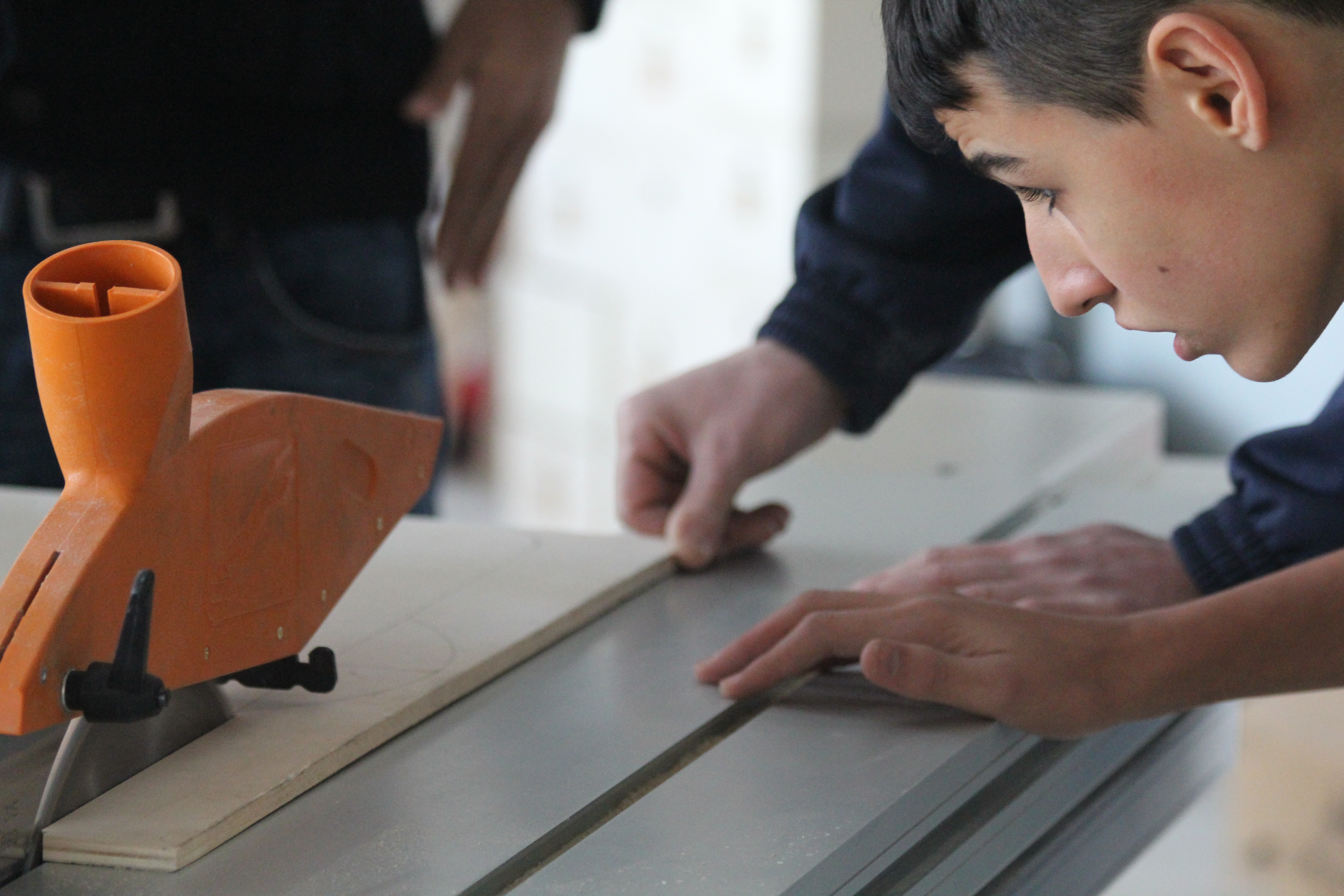
In the daily challenge of educational and training activities, the importance to help students, mainly young kids, to develop a personal resilience (zaradność społeczna) is paramount. Cometa Formazione, operating in Como (Italy), is strongly active to create and preserve those conditions to help the kids to recognize and deepen the knowledge of their own attitudes. Based on the concept of “Experiential Learning”, Cometa Formazione and its Oliver Twist school have implemented the “school-enterprise” approach aiming at developing resilience, involving students in creating real products for real customers in school’s workshops: a carpentry, a fashion studio, two coffee shops and a restaurant. The analysis of the method leads to identify five main pillars in the sociological approach for the development of a resilient attitude in students’ life.
(Article by Anita Longo and Paolo Nardi,published in Kotlarska-Michalska, A. and Nosal, P. (2016) Zaradnosc spoleczna. Wspolczesne przejawy i ograniczenia. University Adam Mickiewicz of Poznan)
Inclusive school, the key to successful education

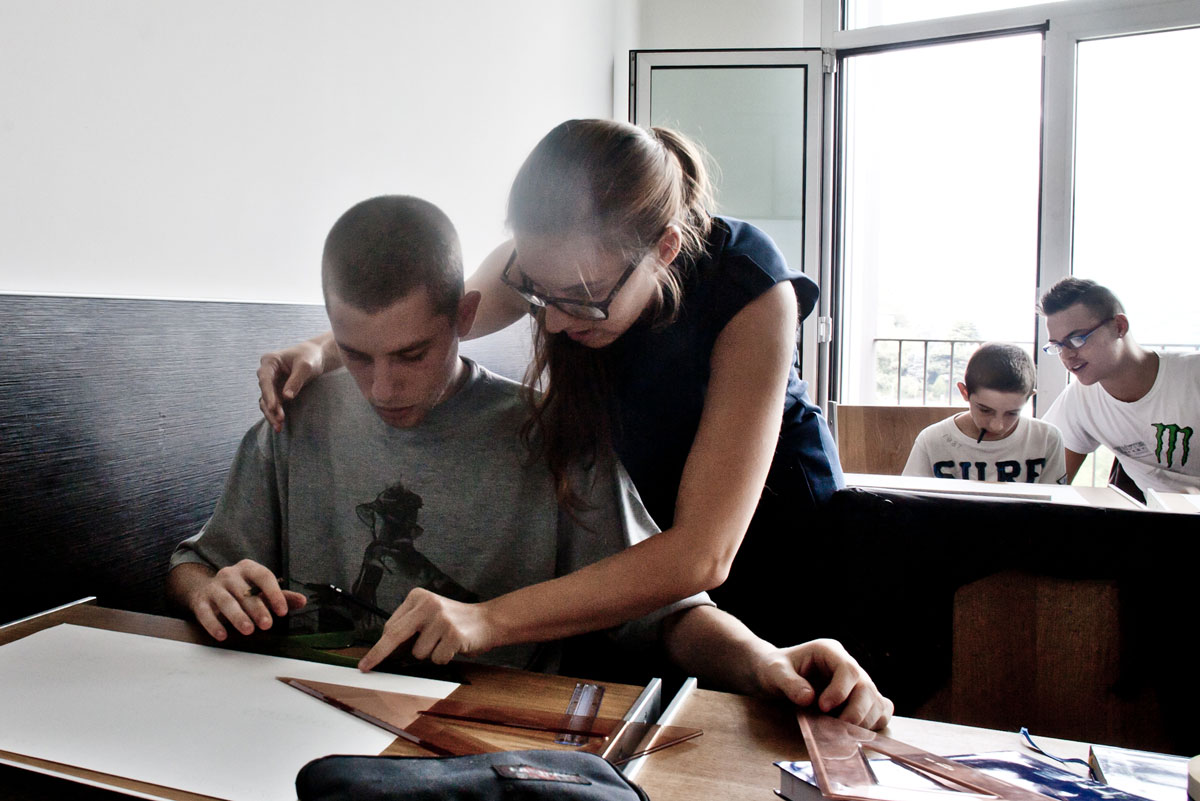
This paper addresses the topic of inclusive school as the key to successful education for everybody. Today’s multifarious forms of problems related to diversity and manifesting themselves in classroom impose a change on the school: to outgrow uniform and straight organizational and teaching models in favor of a flexible approach that responds to the special learning needs of individual pupils. Quality of school is measured by its ability to develop inclusive learning processes, that is to say to provide adequate and effective answers to each and everyone. Through the analysis of the experience made in the school Oliver Twist in Como, this paper highlights the distinctive features of inclusive good practices which ultimately lead to deliver successful education for everyone, starting from the integration of disabled students. Acknowledging the value of diversity and differences as a resource is a challenge to the traditional role of the special education teacher, whose role in this school has evolved into the innovative profile of a co-teacher, thus extending the inclusive perspective to a competent special education framework.
Team building in teaching. From the teachers’ team to the class team.

This document intends to explore any possible connection between Team Building efforts, training of teachers along an educational pathway and experiential learning. Team Building is increasingly valued in the business community as an activity which turns a group of people working together into a team. Through the analysis of some theoretical concepts behind such practice, the intent of this paper is to identify and lay the foundations for the development of the same process in a school setting, from the viewpoint of training the teachers.
Afterwards, through the proposition of a fractal model, the author will analyze how this can deliver a positive impact on the learning level, both from a standpoint of strategy as well as outcomes.